

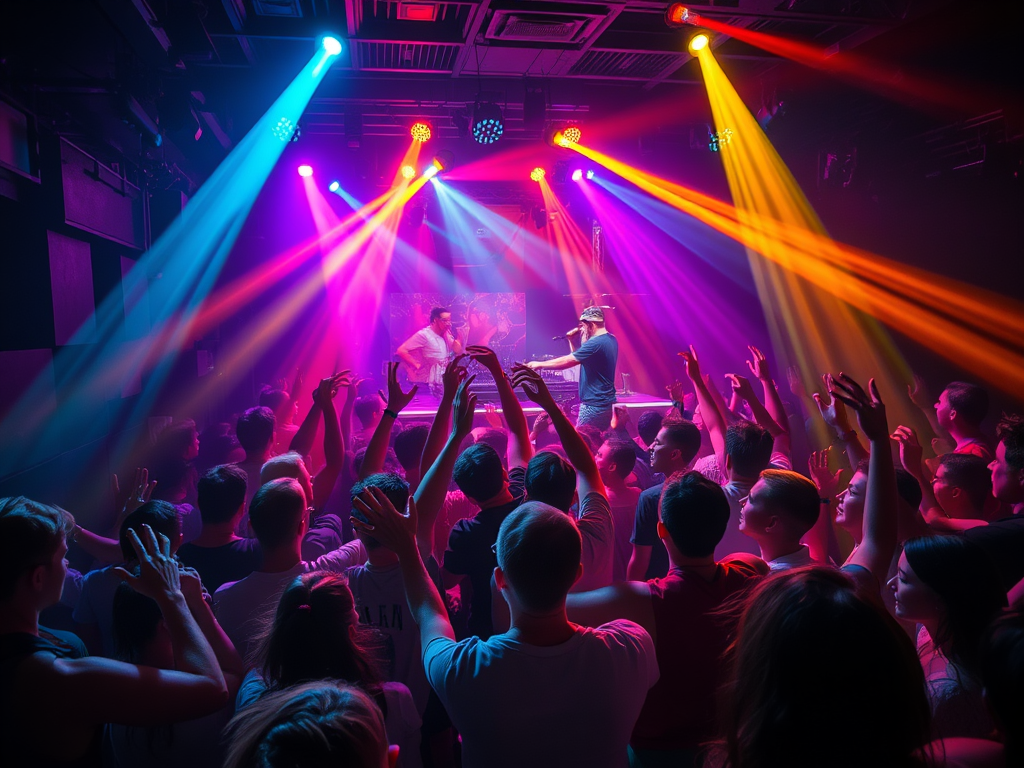
I first knew I had a vocal issue during a singing lesson in sixth form, a few days after a noisy club night. My singing teacher took me through a vocal warm-up and the top of my range sounded uncharacteristically hoarse. She seemed surprised and asked me if I was a smoker. I said no (ironically, I had always hated the idea of smoking because ‘why would I ever willingly do something that could negatively impact my voice?’)
I was deeply and intuitively disturbed. I knew something was very wrong. My singing teacher breezily brushed it under the carpet. ‘It’s probably just stress in the build-up to your exams,’ she smiled. It didn’t reassure me in the slightest. Quiet dread began to simmer from that moment on.
Sure enough, I soon found myself continuously hoarse after nights out, and I seemed to have no-one to turn to for support or advice. Occasionally I would remark to those around me that I was worried, but they couldn’t understand the problem or how much it was affecting me. Sounding hoarse after clubbing was hardly a serious concern – especially to 17/18-year-olds. Besides, most people take their voices for granted. After all, vocalising is supposed to be an automatic function, like breathing. It just happens. Believe me, I was confused (and absolutely terrified) too – how could something that was meant to be happening naturally actually be hurting me? I no longer felt safe in my own body. It felt like the enemy now – threatening to destroy both my identity and my hopes for the future in one devastating blow.
With no-one who could offer me any vocal reassurance or guidance, it became my own silent burden to carry. The way I lived my life was different now. It didn’t matter what I was doing or how much fun I was having at surface level, the bottom line was: I am confused, I am scared, and I am completely alone.
I am now thrilled to say that, at long last, my voice is a strong, functioning one. I can go out to loud events without losing my voice, I have projected to hundreds of people in performances, and vocal anxieties are no longer holding me back in life. I’m out of the woods.
It feels important to share my journey and the things I learnt along the way. Not having anyone to talk to who understood vocal issues and all they entail was THE biggest thing that wreaked so much havoc on my mental health over the years. In fact being alone (according to viral therapist Gabor Mate) IS the traumatising part of a lot of difficult experiences in life. It’s not that the thing happened to you, it’s that you had no-one to turn to in response, no-one to soothe you or support you when you needed it most.
In this blog I will share my experiences, along with voice tips and guidance, and hopefully create a safe space and empowering community for those who are struggling or have struggled with voice issues. The space that absolutely did not exist for me when I was ‘diagnosed’.
I’m here to share my story, show you that you are not alone and reassure you that there is a vocally free future for you. There is light at the end of the tunnel! My name is Emily, I’m a performer, writer and vocal health first aider / coach. Thank you for joining me, and stay tuned for more posts each week!
If you’d like to get in touch (even just to say hi) I’d love to hear from you! There’ll be new posts every week.
 MTD Vocal Freedom
Leave a comment